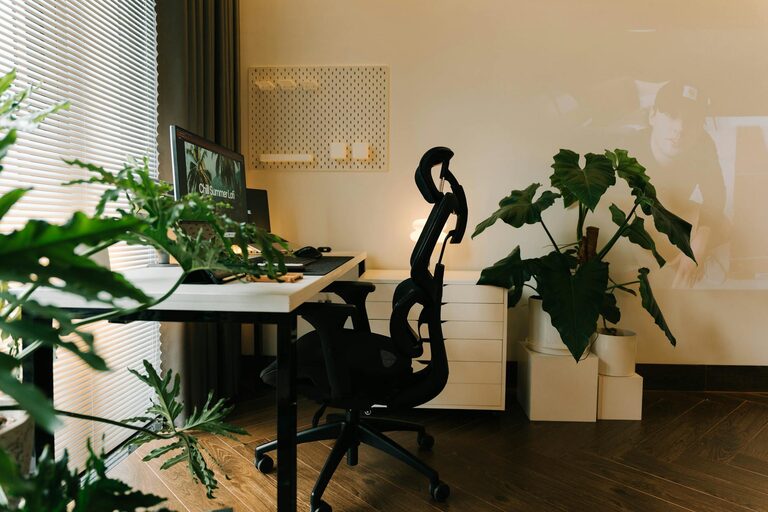
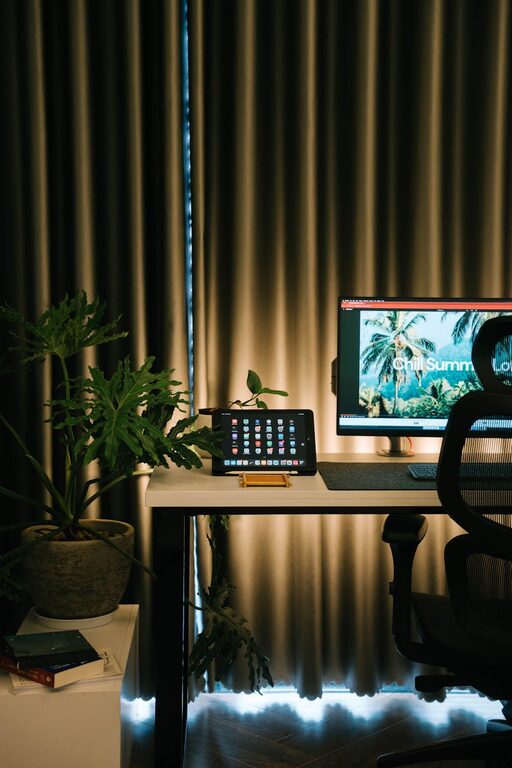
Creating a home office that is both comfortable and productive can make a significant difference to your work-from-home experience. Whether you’re new to remote working or looking to improve your existing setup, a well-planned workspace helps you focus better, reduces stress, and enhances efficiency.
Why a Good Home Office Environment Matters
Working from home has become common for many, but without a dedicated, comfortable space, distractions and discomfort can often reduce your productivity. A thoughtfully arranged home office supports concentration, encourages good posture, and can even improve your mental wellbeing.
Choosing the Right Space
Location is Key
Find a spot in your home where distractions are minimal. A quiet corner, spare room, or even a dedicated nook can work well. Natural light is a huge bonus, so try to position your desk near a window if possible.
Consider Privacy and Noise Levels
If you live with others, consider how noise and interruptions might affect your work. Using room dividers or noise-cancelling headphones can help maintain focus.
Invest in Ergonomic Furniture
Comfortable Chair
A good-quality, adjustable office chair is essential. It supports your back, promotes good posture, and reduces the risk of strain during long working hours.
Desk Height and Size
Your desk should be the right height to allow your arms to rest comfortably while typing. Ensure there’s enough surface area for your computer, documents, and any other tools you regularly use.
Monitor Position
Place your computer screen at eye level to avoid neck strain. Using a monitor stand or stacking books underneath can help achieve this.
Optimise Lighting
Use Natural and Artificial Light
Natural light reduces eye strain and boosts mood. Complement it with warm, adjustable desk lamps for working during the evening or on cloudy days.
Avoid Glare
Position your monitor and light sources to prevent glare on the screen. This will reduce eye fatigue and headaches.
Keep Your Workspace Organised
Declutter Regularly
A tidy workspace helps maintain focus. Use storage boxes, filing cabinets, or organisers to keep papers, stationery, and gadgets in order.
Use Cable Management Solutions
Tidy cables improve the look of your office and prevent tangles. Cable clips, ties, or under-desk trays are useful tools.
Personalise Your Space
Add Some Greenery
Plants can enhance your mood, clean the air, and add a pleasant aesthetic to your workspace.
Decorate Mindfully
Choose artwork or motivational quotes that inspire you but avoid over-cluttering the walls or desk space.
Establish Good Habits
Set Boundaries
Communicate your working hours to others in your household to minimise interruptions.
Take Regular Breaks
Move around, stretch, or step outside to refresh your mind and body.
Maintain a Clean Environment
Wipe down surfaces and dust regularly to keep the area pleasant and hygienic.
Use Technology Wisely
Reliable Internet and Equipment
Ensure your internet connection is stable and fast enough for your work tasks. Keep your devices updated and in good working order.
Headphones and Speakers
Use headphones to focus during calls or block out distractions with noise-cancelling models.
Final Thoughts
Creating a comfortable and productive home office is a personalised journey. Small adjustments and thoughtful organisation can greatly improve how you work and feel throughout the day. Experiment with layout, lighting, and accessories until you find what suits you best, and don’t hesitate to upgrade your furniture or technology as needed.
By making your home office a space you enjoy, you’ll set yourself up for success, whether you’re working part-time from home or fully remote.