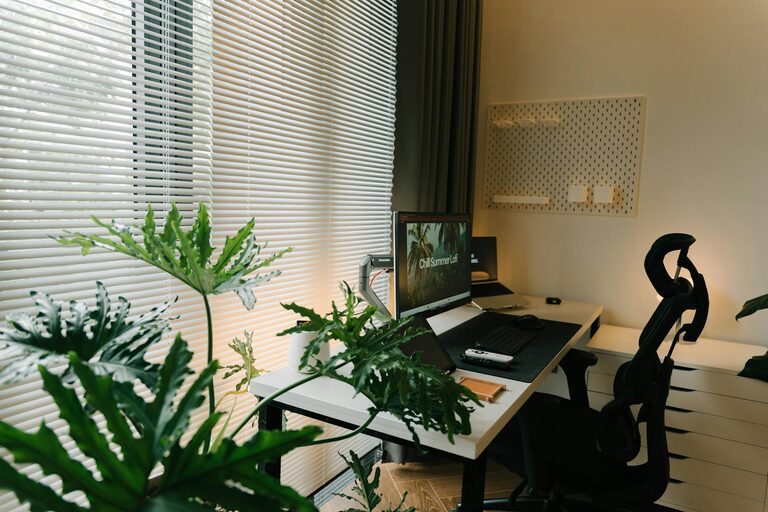
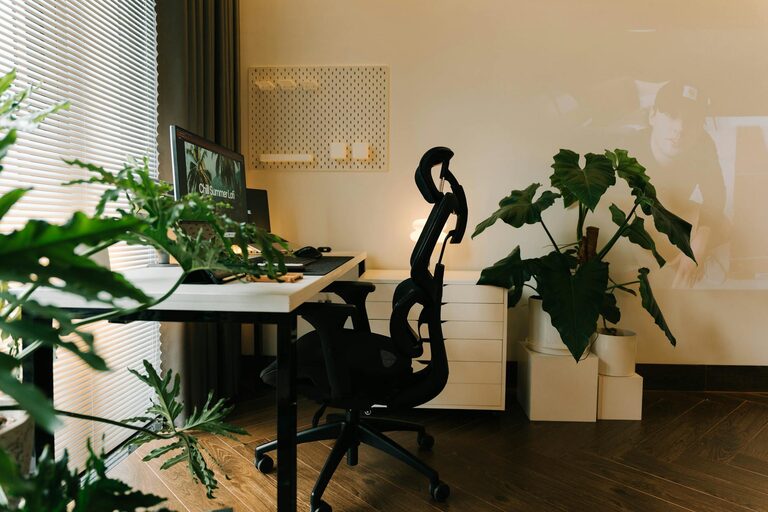
Creating a home office that feels both cosy and productive can make a big difference in how you work and enjoy your time at home. Whether you’re working remotely full-time or just need a dedicated corner for occasional tasks, a well-designed space helps boost concentration and comfort. In this post, we’ll explore practical tips for setting up a home office that feels inviting yet keeps you motivated throughout the day.
Why a Cosy and Productive Space Matters
Your environment affects your mood, energy, and focus. A cluttered or uncomfortable workspace can make work feel like a chore, while a warm, organised area encourages creativity and efficiency. Striking the right balance between comfort and practicality helps you work smarter and reduces stress.
—
Choose the Right Location
Consider Natural Light
Natural light improves your mood and reduces eye strain. Position your desk near a window if possible, allowing daylight to illuminate your work area. Avoid placing your screen directly facing a window to prevent glare.
Find a Quiet Spot
Noise distractions can interrupt your workflow. Pick a room or nook that’s away from high-traffic areas and family noise. If space is limited, consider noise-cancelling headphones or soft background music to help you concentrate.
—
Invest in Comfortable Furniture
Ergonomic Chair
A comfortable, supportive chair is essential. Look for one with adjustable height, lumbar support, and cushioning to keep you comfortable during long sessions.
Suitable Desk
Choose a desk of the right height and size for your needs. If you have room, a larger desk gives space for multiple monitors, documents, or a creative zone. Standing desks or adjustable desks are good options to vary your posture throughout the day.
—
Organise Your Space Effectively
Declutter Regularly
Keep only what you need on your desk while storing away extras. A tidy space reduces stress and helps focus.
Use Storage Solutions
Shelves, drawers, and organisers can keep papers, stationery, and gadgets neatly arranged. Label boxes or folders for easy access and to maintain order.
—
Add Personal Touches
Soften with Textiles
A soft rug, cosy cushions, or a warm throw can make the area more inviting and comfortable.
Incorporate Plants
Indoor plants improve air quality and add natural calm to the room. Choose easy-care plants like succulents or spider plants.
Display Meaningful Decor
Personal photos, art, or inspiring quotes bring warmth and help you feel connected.
—
Optimise Lighting
Layered Lighting
Have a mix of ambient light, task lighting, and softer accent lights. Desk lamps with adjustable brightness help reduce eye strain during reading or computer work.
Warm Light Tones
Opt for bulbs with warmer tones to create a relaxing atmosphere, especially if you work in the evenings.
—
Manage Technology and Cables
Cable Management
Use clips, sleeves, or under-desk trays to keep cables organised and out of sight. This not only looks neater but also prevents tangling and accidents.
Reliable Equipment
Invest in quality tech like a fast internet connection, good headphones, and reliable peripherals. This avoids distractions caused by technical issues.
—
Maintain a Healthy Routine
Take Regular Breaks
Use timers or apps to remind you to stretch and rest your eyes. Short breaks improve focus and prevent fatigue.
Separate Work and Downtime
Keep work confined to your office space when possible. This helps your brain associate the area with productivity, making it easier to switch off after work.
—
Conclusion
Designing a home office that is both cosy and productive doesn’t have to be complicated. By carefully choosing your location, investing in comfortable furniture, keeping your area organised, and adding personal touches, you create a space where work feels enjoyable and efficient. Remember to prioritise natural light, good lighting, and technology management for the best results. With these tips, you’ll be well on your way to boosting your productivity while feeling truly comfortable at home.