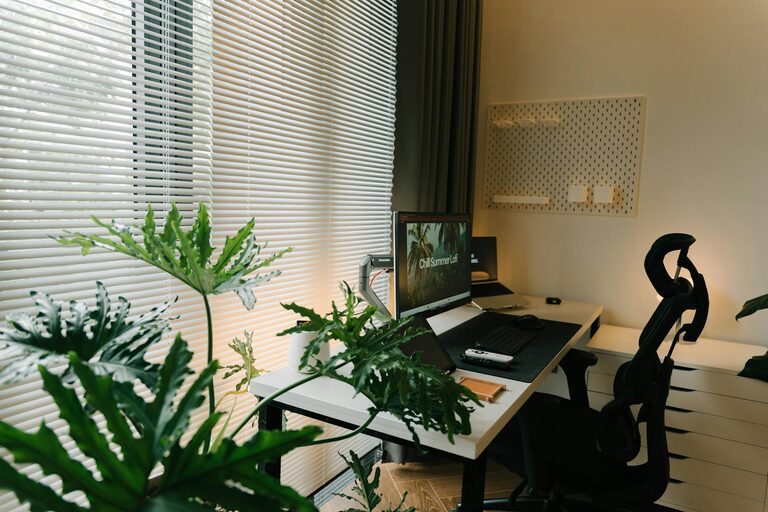
Creating a home office that is both relaxing and productive can significantly improve your work experience and overall well-being. Whether you work remotely full-time or occasionally, your workspace should offer comfort and focus while reducing stress. In this post, we’ll explore practical tips to help you design a home office environment that supports both relaxation and efficiency.
Choose the Right Location
Selecting the ideal spot for your home office is the first step to creating a harmonious work environment. Consider these points when choosing your location:
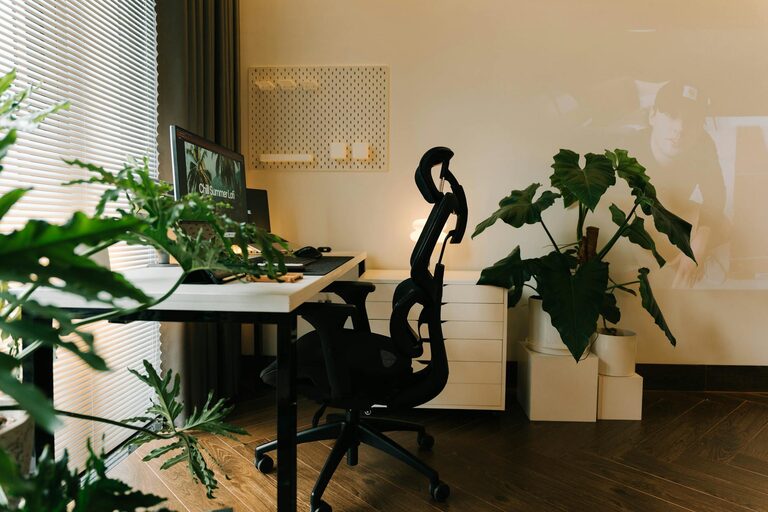
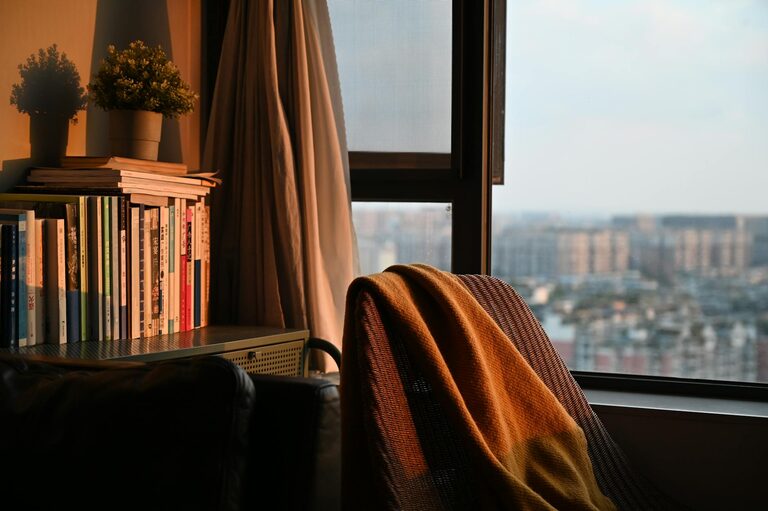
– Natural light: A space with plenty of daylight helps improve mood and alertness. Ideally, position your desk near a window to make the most of natural light.
– Quietness: Try to find a quiet corner, away from household distractions such as noisy appliances or high-traffic areas.
– Space: Ensure you have enough room for your desk, chair, and any necessary equipment. A cramped space can lead to discomfort and reduced productivity.
Invest in Comfortable and Ergonomic Furniture
Physical comfort is essential for both relaxation and focus. Poor posture can cause discomfort, fatigue, and even long-term health issues. To prevent this:
– Choose an ergonomic chair: Look for one with adjustable height, good lumbar support, and adequate cushioning.
– Use an adjustable desk: If possible, invest in a desk that can be raised or lowered for sitting and standing positions.
– Position your screen correctly: Your computer monitor should be at eye level to avoid neck strain.
Keep the Space Organised
An organised workspace helps reduce anxiety and distractions, making it easier to concentrate. Here are some organisation tips:
– Declutter regularly: Remove unnecessary items and paperwork to keep your desk tidy.
– Use storage solutions: Invest in shelves, filing cabinets or desk organisers to keep tools and documents neatly arranged.
– Manage cables: Use clips or sleeves to prevent cords from tangling and crowding your desk.
Incorporate Relaxing Elements
Adding calming features to your home office encourages relaxation during breaks and makes the space inviting:
– Plants: Indoor plants improve air quality and add a touch of nature, which can reduce stress.
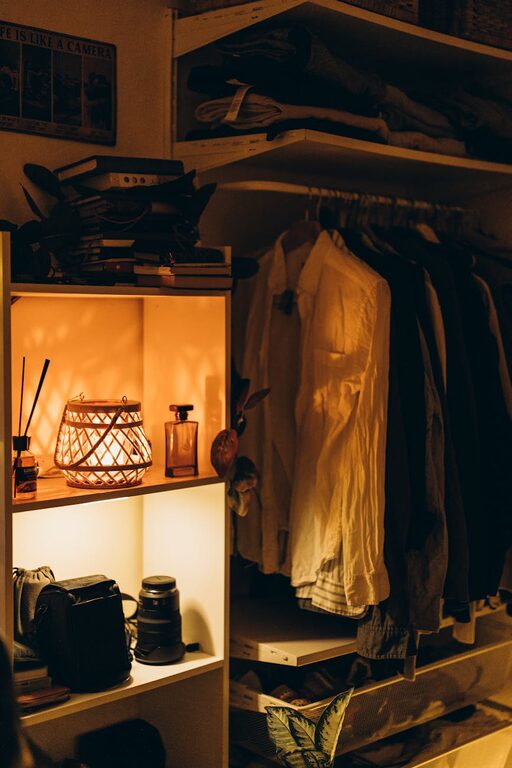
– Soft lighting: Avoid harsh overhead lights. Use desk lamps or floor lamps with warm bulbs to create a cosy atmosphere.
– Personal touches: Display artwork, photos, or items that inspire or comfort you.
Optimise Lighting
Good lighting reduces eye strain and maintains alertness. Consider these options to enhance lighting:
– Maximise daylight: Keep windows unobstructed and use light, sheer curtains to diffuse sunlight.
– Layer your lighting: Combine ambient, task, and accent lighting to ensure your workspace is well-lit at all times.
– Avoid glare: Position your screen and light sources to prevent reflections and glare on your monitor.
Manage Noise and Distractions
A calm environment is crucial for concentration and relaxation. Here’s how to manage noise and distractions:
– Use noise-cancelling headphones: These can help block out background noise.
– Background sounds: Consider soft instrumental music or white noise to create a soothing soundscape.
– Set boundaries: Communicate your working hours to household members to minimise interruptions.
Maintain a Comfortable Temperature
Temperature affects productivity and comfort. Aim to keep your workspace at a comfortable level:
– Ventilation: Ensure good airflow to keep the air fresh.
– Heating and cooling: Use fans, heaters, or air conditioning as needed to maintain a steady, comfortable temperature.
Take Regular Breaks
To avoid burnout, schedule short, frequent breaks throughout your workday:
– Stretch and move: Stand up, stretch, or take a quick walk to refresh your mind and body.
– Relax: Practise deep breathing, meditation, or simply close your eyes for a few moments.
Use Technology to Your Advantage
Several tools and apps can help maintain focus and reduce stress:
– Task managers: Applications like Trello or Todoist can help organise tasks.
– Time trackers: Use timers or apps following techniques like Pomodoro for focused work sessions.
– Blue light filters: Software or screen protectors can reduce eye strain from long hours at the computer.
Keep Your Workspace Clean
A clean office feels more welcoming and can improve your mood:
– Daily wipe-down: Clean your desk and equipment regularly.
– Air quality: Dust surfaces and vacuum often to reduce allergens.
Conclusion
Creating a home office that balances relaxation and productivity requires thoughtful planning. By choosing the right location, investing in comfortable furniture, incorporating calming elements, managing lighting and noise, and keeping things organised and clean, you’ll build a space that supports your work and wellbeing. Remember, your home office should not only help you get work done efficiently but also feel like a positive and comfortable part of your home.