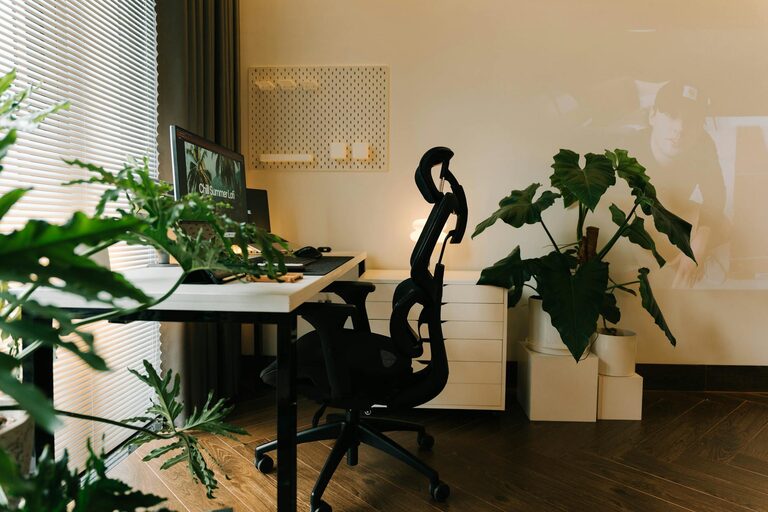
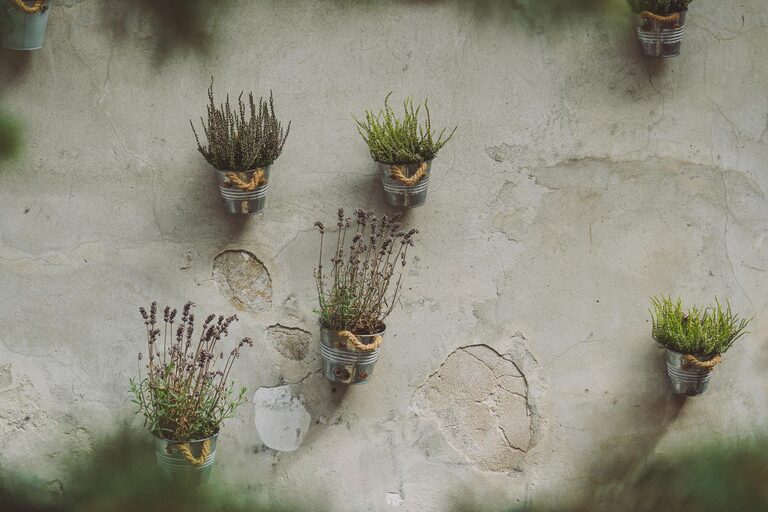
Creating a sustainable garden in a small urban space can be both rewarding and environmentally beneficial. Even in limited areas such as balconies, rooftops, or tiny backyards, you can cultivate a green oasis that supports local wildlife, conserves resources, and provides fresh produce or beautiful plants. This guide offers practical tips to design and maintain a thriving, eco-friendly garden no matter how small your available space is.
Understanding Sustainable Gardening
Sustainability in gardening means creating an environment that is healthy, resource-efficient, and supportive of biodiversity. It involves using natural processes to conserve water, enrich soil, reduce waste, and avoid harmful chemicals. In urban settings, sustainability helps reduce your ecological footprint and connects you with nature amidst the city buzz.
Start with Planning and Assessment
Before planting your garden, take time to assess your space and plan accordingly.
Assess Your Space
– Sunlight: Identify how many hours of direct sunlight your area receives daily, as this determines which plants will thrive.
– Size and Shape: Measure the available space honestly. Remember to consider vertical space like walls or railings for extra planting.
– Microclimate: Consider wind exposure, temperature variations, and shelter which can affect plant growth.
Define Your Goals
Are you interested in growing edible plants, flowers that attract pollinators, or a mix? Clear goals help you choose suitable plants and containers.
Choose the Right Plants
Careful plant selection is key to creating a sustainable garden in small urban spaces.
Opt for Native and Drought-Tolerant Plants
Native plants are adapted to your local climate and soil, requiring less water and care. Drought-tolerant varieties help conserve water and can survive dry spells common in urban environments.
Select Plants for Multiple Purposes
Some plants provide food, attract beneficial insects, and add beauty. Herbs like basil or chives serve as culinary staples and attract pollinators. Climbers like peas or beans grow vertically, saving space.
Maximise Space with Smart Design
Small gardens require creativity to maximise every centimetre.
Use Vertical Gardening
Vertical structures such as trellises, hanging baskets, and wall-mounted planters allow plants to grow upward rather than outward, doubling your growing area.
Container Gardening
Containers are flexible, allowing you to place plants where they receive optimal sunlight. Choose a mix of sizes and materials; terracotta is breathable, while plastic retains moisture longer.
Layer Planting
Plant in different layers — ground cover, mid-height shrubs, and climbers — to effectively use the space and create a lush environment.
Improve Soil Health Naturally
Healthy soil is the foundation of sustainable gardening.
Composting
Create a small compost bin for kitchen scraps and garden waste. Compost enriches the soil with nutrients and improves its structure.
Mulching
Apply organic mulch like wood chips or straw around plants to retain moisture, suppress weeds, and regulate soil temperature.
Avoid Chemical Fertilisers
Use natural fertilisers such as seaweed extract, well-rotted manure, or organic plant feeds to nurture plants without damaging the environment.
Efficient Water Management
Water use is a critical factor in sustainable gardens, especially in urban settings.
Collect Rainwater
Use a rain barrel or containers to capture rainwater from gutters. This reduces demand on mains water and is better for plants.
Water Wisely
Water early in the morning or late evening to minimise evaporation. Use drip irrigation or watering cans to target roots directly instead of sprinklers.
Use Water-Saving Techniques
Group plants with similar water needs together to avoid over- or under-watering.
Support Urban Wildlife
Even small gardens can provide a haven for birds, bees, and other beneficial creatures.
Plant Pollinator-Friendly Flowers
Choose flowers with varied colours and shapes that bloom at different times to provide continuous food sources.
Provide Shelter
Include features like small logs, a bird feeder, or insect hotels to offer shelter and encourage biodiversity.
Maintain Your Garden Sustainably
Sustainable gardening is an ongoing process.
– Practice Crop Rotation: Change plant positions yearly to reduce pests and soil depletion.
– Avoid Pesticides: Use physical barriers or natural predators instead of chemical insecticides.
– Regular Pruning and Maintenance: Keeps plants healthy and prevents disease.
Final Thoughts
Creating a sustainable garden in a small urban space is achievable and beneficial. It enriches your immediate environment, supports urban wildlife, and can provide fresh food or beautiful greenery. By thoughtfully planning, selecting appropriate plants, conserving resources, and supporting biodiversity, you contribute positively to both your home and the planet.
Whether you have a balcony, rooftop, or tiny backyard, these tips help you turn small urban spaces into flourishing sustainable gardens. Happy gardening!